Your First Six Months After Dental Implants: What to Expect
Getting dental implants in Bangalore is an important step toward a stronger, more confident smile. For many people, the main concern is not the surgery itself, but the healing and adjustment period that follows. Understanding what typically happens in the first six months can help you feel prepared and supported throughout your recovery.
During this time, your mouth, gums, and jawbone gradually adapt to the implant. Some days may feel close to normal, while others may involve mild soreness or fatigue. This variation is expected. With appropriate nutrition, gentle oral hygiene, planned follow-up visits, and timely attention to concerning symptoms, most patients heal well.
Week 1: Protecting Your New Implant
The first seven days focus on protection and rest. Immediately after surgery, it is common to experience:
- Mild to moderate soreness around the surgical area
- Swelling that peaks within the first 48 to 72 hours
- Slight blood staining in the saliva
- General tiredness, particularly on the first one to two days
By the end of the week, pain and swelling should gradually reduce. In warm Bangalore weather, especially during summer and monsoon, maintaining good hydration is important. Sip cool water regularly, unless your doctor has given different instructions.
For eating and drinking in week one, choose soft, cool or room-temperature foods, such as:
- Curd rice, idli, soft dosa without spicy chutney
- Dal, khichdi, well-cooked vegetables
- Smoothies, yogurt, and other protein-rich liquids
Avoid:
- Very hot, oily, or spicy dishes
- Crunchy foods such as chips, nuts, or hard toast
- Drinking with straws, which can disturb the blood clot
- Alcohol and smoking, which can delay healing
Taking prescribed pain medication about 30 minutes before meals can make eating soft foods more comfortable.
For cleaning and protection, your doctor may advise gentle saline rinses or a prescribed mouthwash after the first 24 hours. Allow the liquid to drain from your mouth instead of forceful spitting. You can brush the other teeth as usual, but be very gentle near the implant site and avoid direct pressure in the first few days. Using an ice pack on the cheek in short intervals and sleeping with your head slightly elevated can help control swelling.
Weeks 2, 4: Gradual Return to Routine
By the second to fourth week, daily activities generally become easier. Swelling is usually minimal or resolved, and pain typically reduces to mild tenderness when pressure is applied or when chewing nearby. Some tightness or stiffness in the gums can be normal.
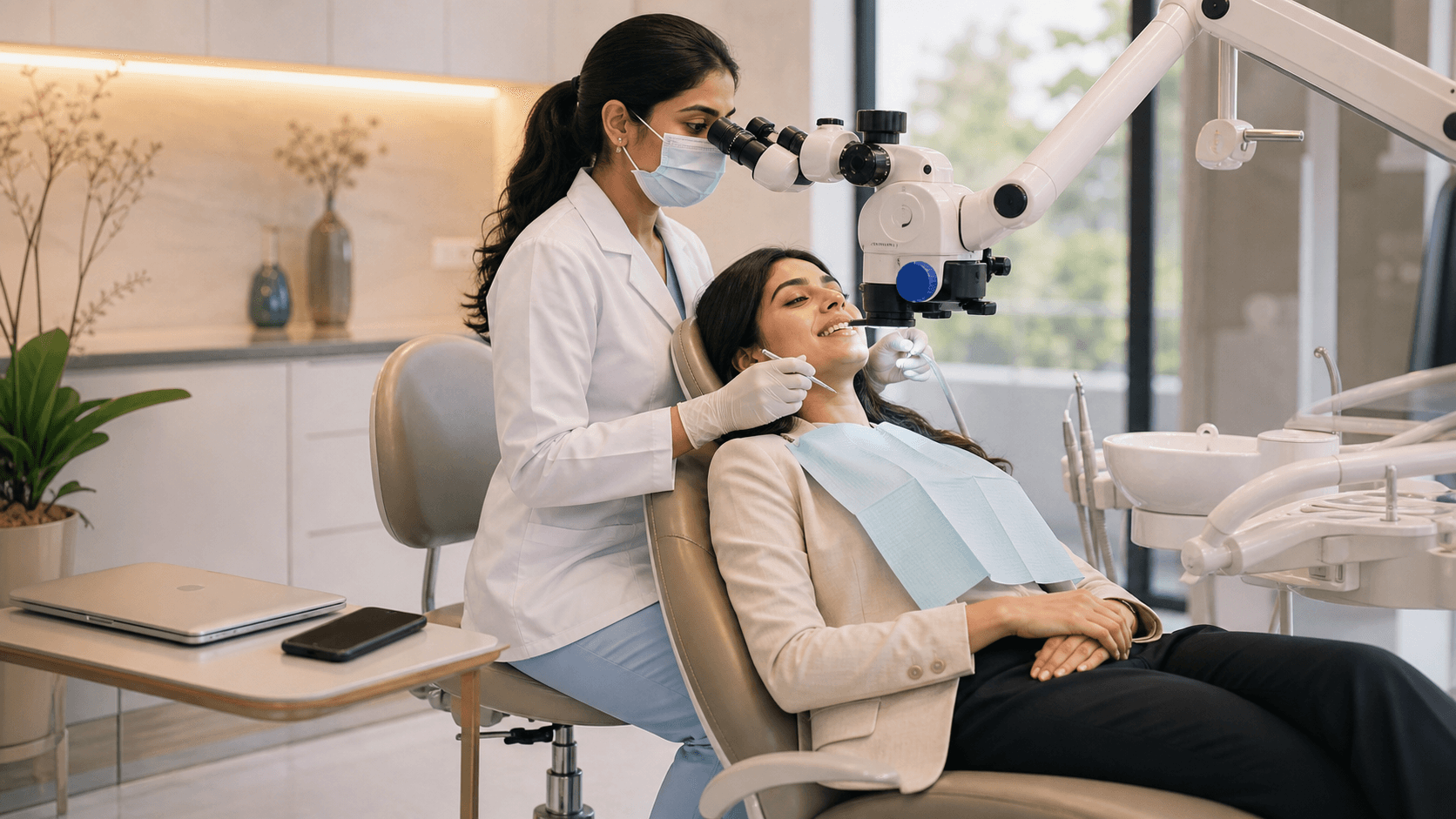
Your first follow-up visit in this period is important for long-term success. The implant specialist will usually:
- Examine the surgical site and sutures if present
- Look for signs of infection or unusual movement
- Review your oral hygiene routine and address any questions
Digital scans or other imaging may be used to monitor how the bone and implant are adapting, allowing early detection of potential issues.
Your diet can progress from very soft foods to those that are soft but require light chewing. Examples include:
- Upma, soft rotis moistened with dal, paneer bhurji
- Well-cooked rice and vegetables
- Ripe bananas, papaya, and other soft fruits
Continue to avoid chewing directly on the implant side where possible. Aim for a balanced diet with adequate protein, vitamins, and calcium. Local fruits with high water content can support hydration and healing, especially in warmer weather. Continue to avoid very hard, sticky, or chewy foods such as chikki, hard candy, or chewing gum.
As tenderness decreases, your home care may include:
- Using a soft-bristled toothbrush closer to the implant area
- Gentle use of interdental brushes, if your dentist recommends them
- Adding a water flosser and non-alcohol mouthwash, as advised
The aim is to keep plaque away without applying excessive force to the healing gums. If an area feels persistently sore or bleeds significantly, reduce local stimulation and consult your dentist.
Months 2, 3: Osseointegration and Key Checkpoints
Within the jawbone, an essential process called osseointegration takes place. The implant and surrounding bone begin to join, which provides the stability that makes dental implants feel secure and functional.
During these months, the implant should not feel loose, wobbly, or painful. Even if the final crown has not yet been placed, the area should feel generally comfortable and stable. Maintaining healthy gums is critical, as gum infection can affect the bone that supports the implant.
By this stage, your diet often resembles your usual pattern more closely. In many cases, you can:
- Eat normally cooked foods on both sides, if your dentist approves
- Introduce slightly firmer items, while still avoiding biting very hard foods directly with the implant area
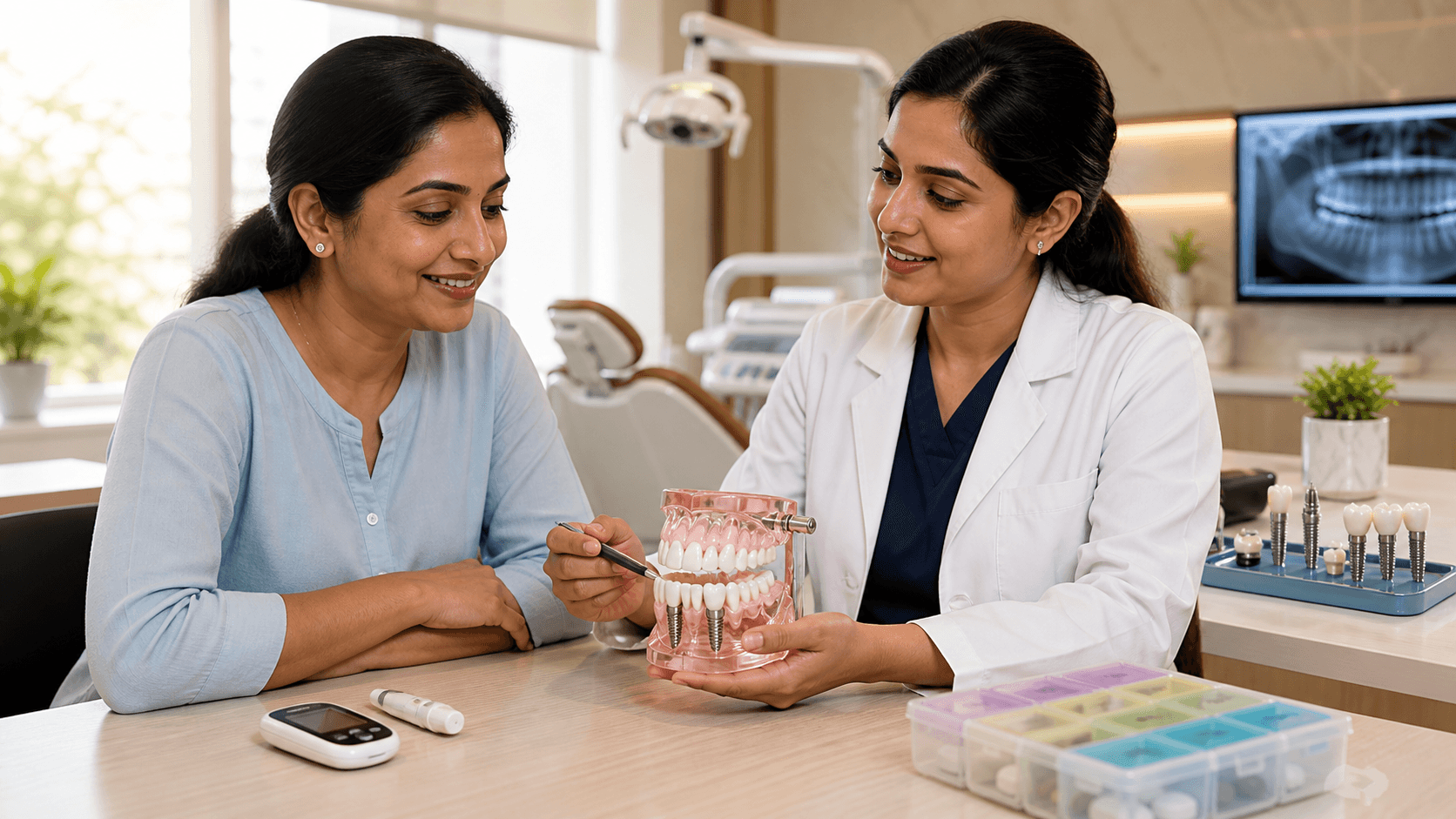
You can usually resume activities such as gym workouts, running, yoga, or sports once your surgeon confirms it is safe. Immediately after any minor follow-up procedures, avoid heavy exertion as instructed. Factors such as smoking, poorly controlled diabetes, and certain systemic health issues can affect healing, so it is important to discuss these with your dentist and physician.
Follow-up visits during this period allow your specialist to:
- Assess bone and gum healing
- Take X-rays or CBCT scans when needed to confirm integration
- Begin planning the final crown or bridge, including aesthetics, bite, and ease of cleaning
This is an appropriate time to discuss your expectations for appearance, comfort in chewing, and long-term maintenance.
Months 4, 6: Final Restorations and Long-Term Habits
From around month four to six, many patients are ready for the final restoration, provided healing has progressed as expected. The process generally includes:
- Taking impressions or digital scans of your teeth and gums
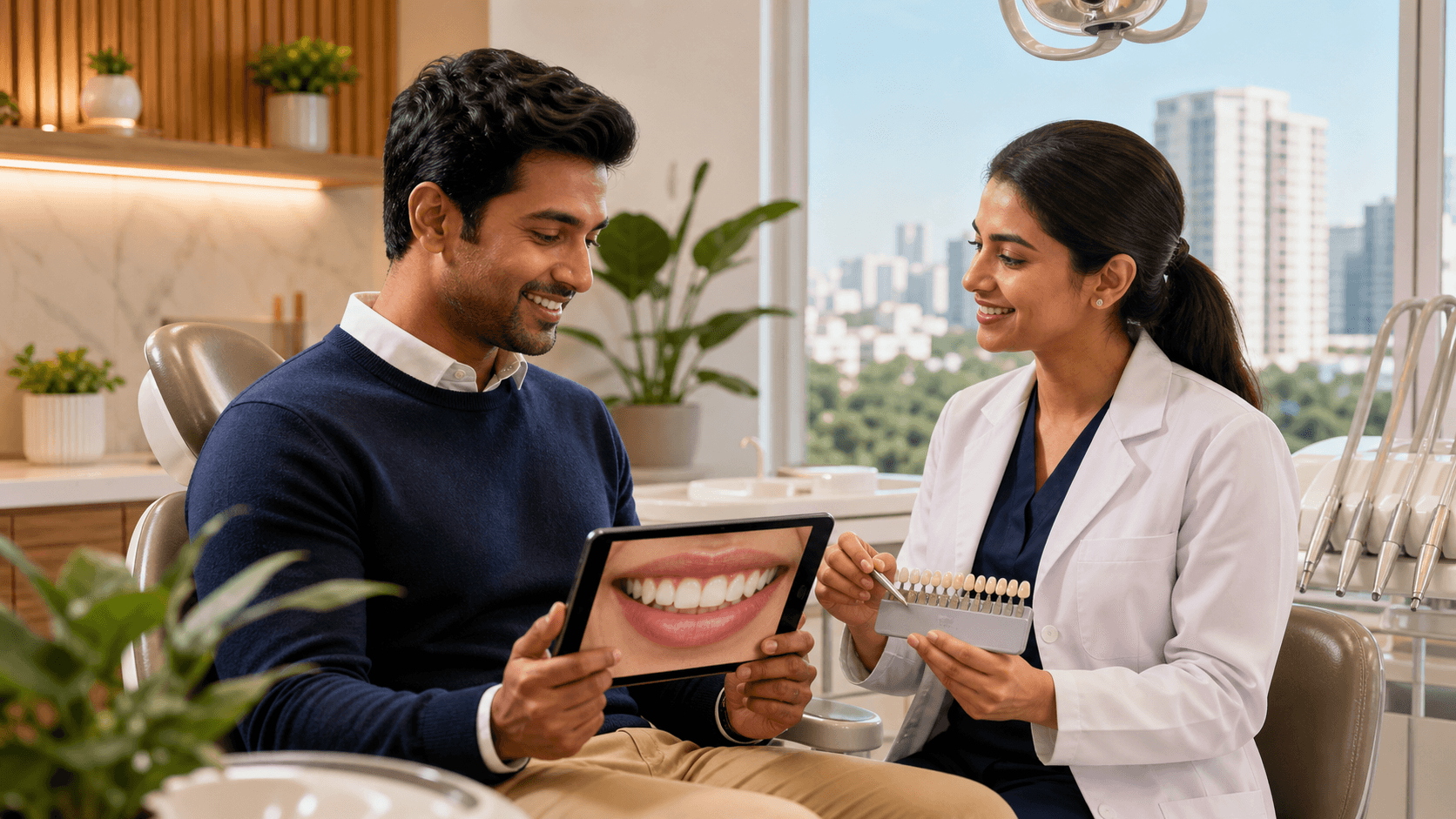
- Matching the shade and shape of the crown or bridge to your natural teeth
- Checking and adjusting your bite so the upper and lower teeth meet comfortably
On the day the crown is fitted, your dentist will test your bite, make fine adjustments, and polish the surface so it feels smooth. Accurate laboratory work and careful clinical supervision support the longevity and natural feel of the implant.
Once your crown is in place, daily care becomes a lifelong commitment. An effective home-care kit often includes:
- A soft toothbrush and low-abrasive toothpaste
- Interdental brushes sized appropriately for the implant area
- A water flosser and dental floss where space allows
A practical routine involves brushing twice daily, using interdental tools at least once a day, and rinsing with a mouthwash if recommended. If you have multiple implants, bridges, or full-arch prostheses, your dentist will demonstrate specific techniques and tools to access all surfaces effectively.
Long-term checkups and professional cleanings are typically advised at regular intervals. The frequency may vary depending on factors such as general health, gum condition, tooth grinding (bruxism), and the number of implants. During these visits, your dentist may:
- Assess the gums for redness, pockets, or bleeding
- Take X-rays when required to monitor the supporting bone
- Review your bite and polish around the implants
Planning these appointments in advance around work, travel, or school schedules can help ensure they are not missed during busy times.
Warning Signs That Require Prompt Attention
Most mild discomforts improve quickly, but certain signs require urgent professional evaluation, especially in the early period:
- Bleeding that does not slow down with firm pressure
- Severe pain that does not improve with prescribed medication
- Swelling that increases after day three instead of decreasing
- Fever, foul taste, or pus-like discharge from the area
- Any injury to the face or jaw that impacts the implant area
After the first month, be alert for:
- Persistent bad breath or a bad taste from one specific area
- Red, swollen, or bleeding gums around the implant
- Any sensation of looseness in the implant, crown, or bridge
- Changes in your bite, or gum recession exposing metal that was not previously visible
If you notice any of these signs, contact your implant specialist promptly. Early assessment can often manage infection, adjust bite forces, or address minor issues before they progress. When you contact your dental clinic, provide clear information on when symptoms began, what you are experiencing, any medications you are taking, and any recent illnesses or injuries. This helps the team plan appropriate, timely care and support the long-term success of your implant.
Restore Your Smile Comfortably And Confidently
If you are considering a lasting solution for missing teeth, our team at Ridgetop Dental International can guide you through your options for dental implants in Bangalore. We take time to understand your goals, explain each step clearly, and recommend a treatment plan that fits your needs. To schedule a consultation or ask questions, simply contact us and we will help you take the next step toward a stronger, more confident smile.