Discover Subtle Smile Fixes for Chips, Gaps, and Edges
Small flaws in your front teeth can feel big when you are in every group selfie, work meeting, or festive season photo. A tiny chip, a small gap, or a slightly rough edge can make you hold back your smile, even when everything else feels on track. Many people in Bangalore want these changes to look natural, not obvious or artificial.
For these minor concerns, there is usually more than one cosmetic solution. Two common options are porcelain dental veneers and composite bonding. Both can refine your smile, but they work in different ways and suit different needs, lifestyles, and long-term goals.
Choosing wisely is not only about looks. The right choice also supports the health of your teeth, gums, and bite. At Ridgetop Dental International in Bangalore, we use advanced imaging and digital smile planning, paired with strict sterilization and infection control, to help patients feel safe, heard, and confident about their options.
When Minor Imperfections Need Professional Care
A lot of everyday things can lead to small tooth flaws. You might clip a front tooth on a coffee mug, notice a narrow space between teeth in photos or feel a slightly jagged edge with your tongue that makes your smile look uneven.
It can be tempting to ignore these issues, but they can create problems over time. For example:
- A chipped edge can keep chipping and expose more tooth.
- Tiny gaps can trap food and make cleaning harder.
- Uneven edges can change how your upper and lower teeth meet.
- Rough or broken areas can collect plaque more easily.
When the bite is not even, you may start to chew differently. That can lead to extra strain on certain teeth or your jaw joints. What looked like a small cosmetic flaw can affect comfort and long-term tooth wear.
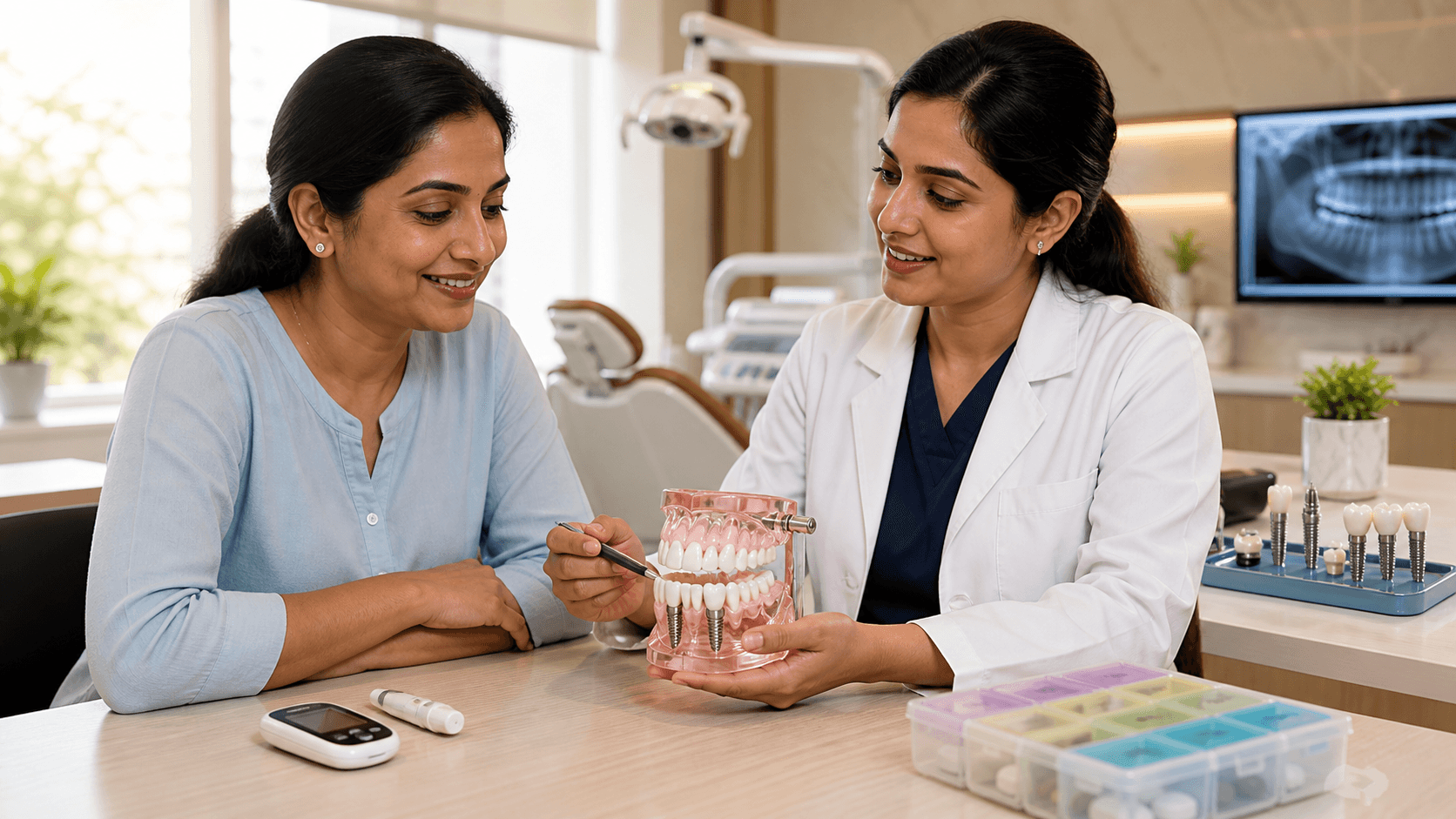
That is why a specialist checkup is so helpful. At a consultation with experienced MDS prosthodontists and cosmetic dentists, we do not just look at the chip or gap alone. We check:
- Enamel strength and thickness
- Gum health around the front teeth
- How your upper and lower teeth meet when you bite
- Any signs of clenching or grinding
Only when we know the full picture can we guide you toward veneers, composite bonding, or sometimes a mix of both.
Dental Veneers in Bangalore for Long-Lasting Smile Refinement
Porcelain veneers are thin, custom-made shells that sit on the front surface of the tooth. They can change the color, shape, and length of teeth, and can also help with small gaps or mild misalignment. For many people, they are a way to address several concerns at once in a very natural way.
For minor chips, gaps, and uneven edges, veneers can offer:
- A smooth, durable surface that is harder than composite resin
- High resistance to stains from coffee, tea, or colored foods
- A natural shine and translucency that mimics real enamel
- The option to treat several front teeth for a balanced smile line
At a premium dental clinic, the veneer process is careful and planned. At Ridgetop Dental International, appointments typically include:
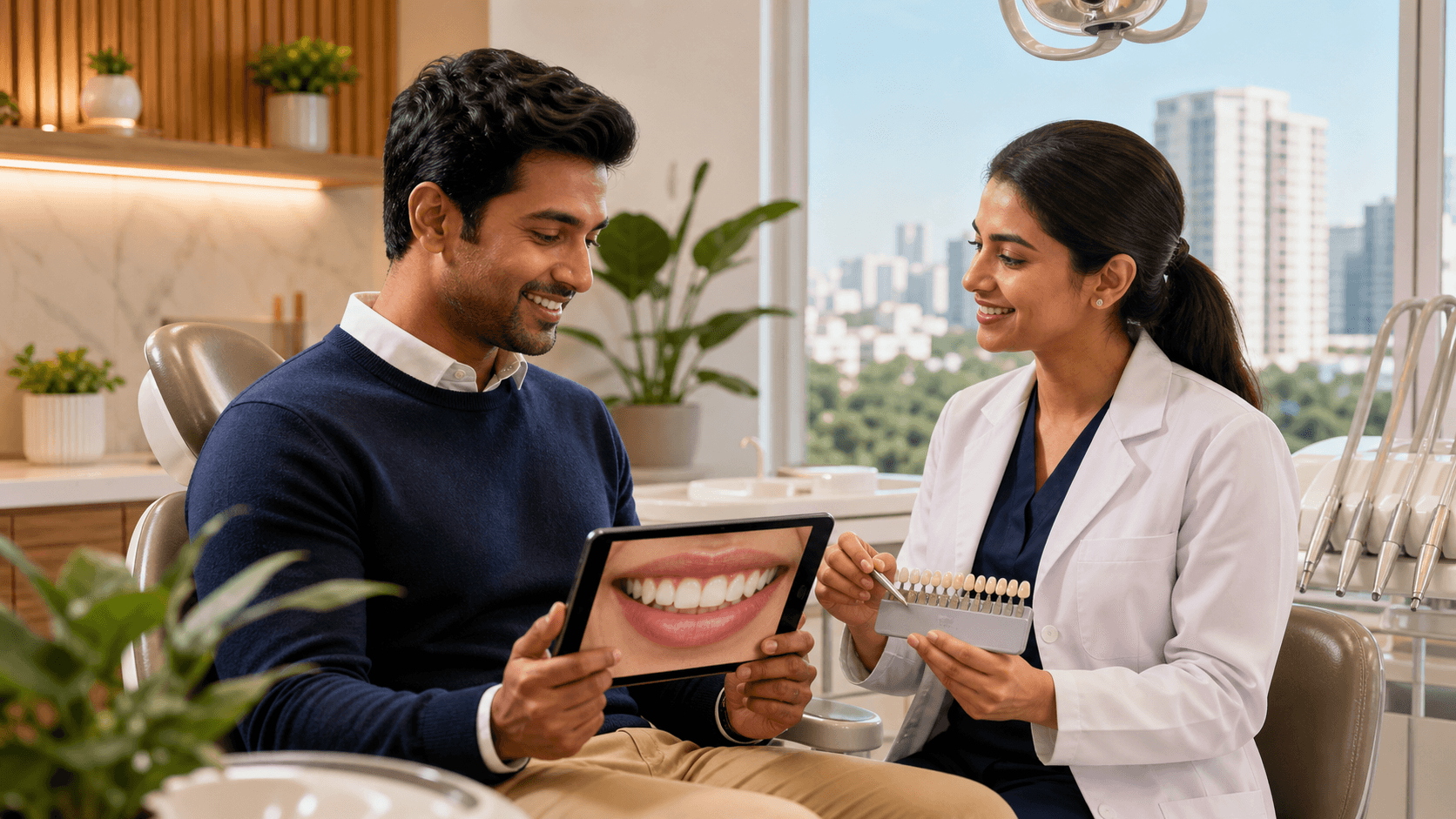
- Digital photos and smile design planning
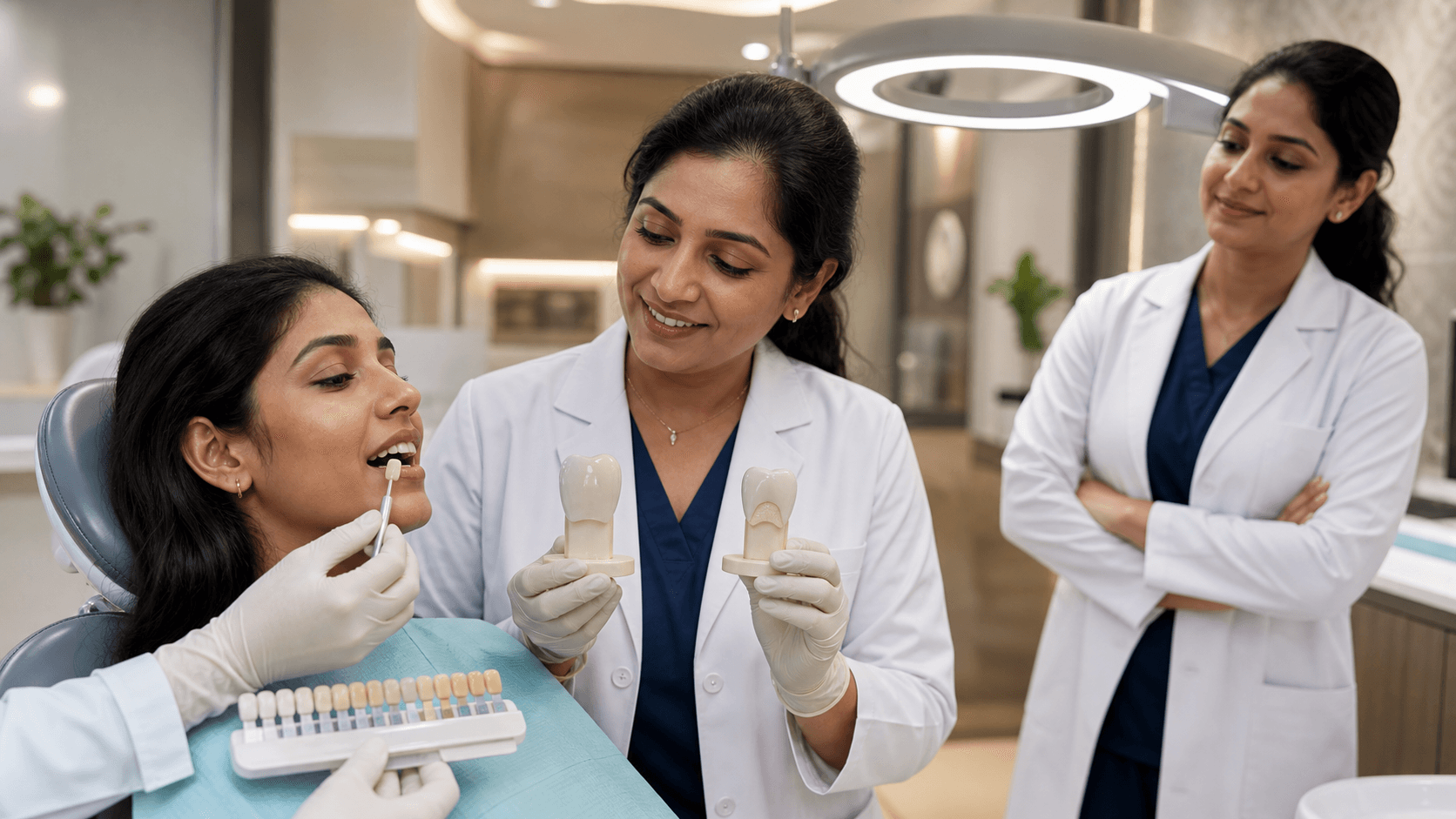
- Shade selection that works with different Indian skin tones and lip colors
- Minimal, precise shaping of the front of the tooth where needed
- Provisional shells so you can test the look and feel
- Final bonding in a clean, safety-focused environment
It is important to know that veneers usually require some reshaping of enamel, so the treatment is considered irreversible. With good home care, gentle brushing, and regular professional reviews, veneers can have a long service life. They are a stronger, more stable choice for people who want a durable solution and are ready for a more involved procedure.
Composite Bonding for Quick, Conservative Touch-Ups
Composite bonding uses a tooth-colored resin that is placed and shaped directly on the tooth. The dentist sculpts the material to rebuild a chipped corner, close a small gap, or soften a sharp or uneven edge. A special light hardens the resin, and the surface is then polished.
This option has some clear advantages:
- Very little or no drilling of healthy enamel
- Often no injections, so it feels gentler for anxious patients
- Usually done in a single visit, helpful before events or photos
- Lower initial cost when compared with porcelain veneers
For many people, composite bonding is a nice way to test out cosmetic changes without committing to permanent reshaping of the tooth. However, it does have some limits:
- The resin can pick up stains more easily, especially with frequent tea, coffee, or colored foods.
- The material is not as strong as porcelain and can chip or wear over time.
- It may need polishing or touch-ups every few years.
Bonding tends to be best for:
- Small, local chips on one or two teeth
- Narrow gaps that do not involve the full bite
- Slight roughness or shortness of edges
- Patients who prefer a conservative, reversible option first
Veneers vs Composite Bonding for Your Lifestyle and Budget
So which option fits better for your smile, daily routine, and plans?
On durability and upkeep:
- Veneers are stronger and more resistant to stains, so they usually keep their look longer.
- Bonding is easier to repair or adjust, but you may expect more frequent polishing or replacement.
On appearance and detail:
- Veneers allow very fine control of color, shape, and brightness across several teeth, ideal if you want a fuller smile makeover.
- Bonding works well for subtle tweaks on one or two teeth while keeping most of your natural tooth surface visible.
On time and visits:
- Composite bonding can often be finished in a single sitting, which suits tight schedules.
- Veneers need more planning and usually take a few visits, from design to final placement, but can give a more complete change in one area of the mouth.
Personal habits and life stage matter too. If you grind your teeth, bite nails, or chew pens, that may influence which material we recommend and whether we pair it with a night guard. Younger patients or those unsure about long-term changes may lean toward bonding. Someone preparing for important life events, professional milestones, or many social functions might prefer the stability and finish of veneers.
How Ridgetop Dental Guides Your Best Smile Choice
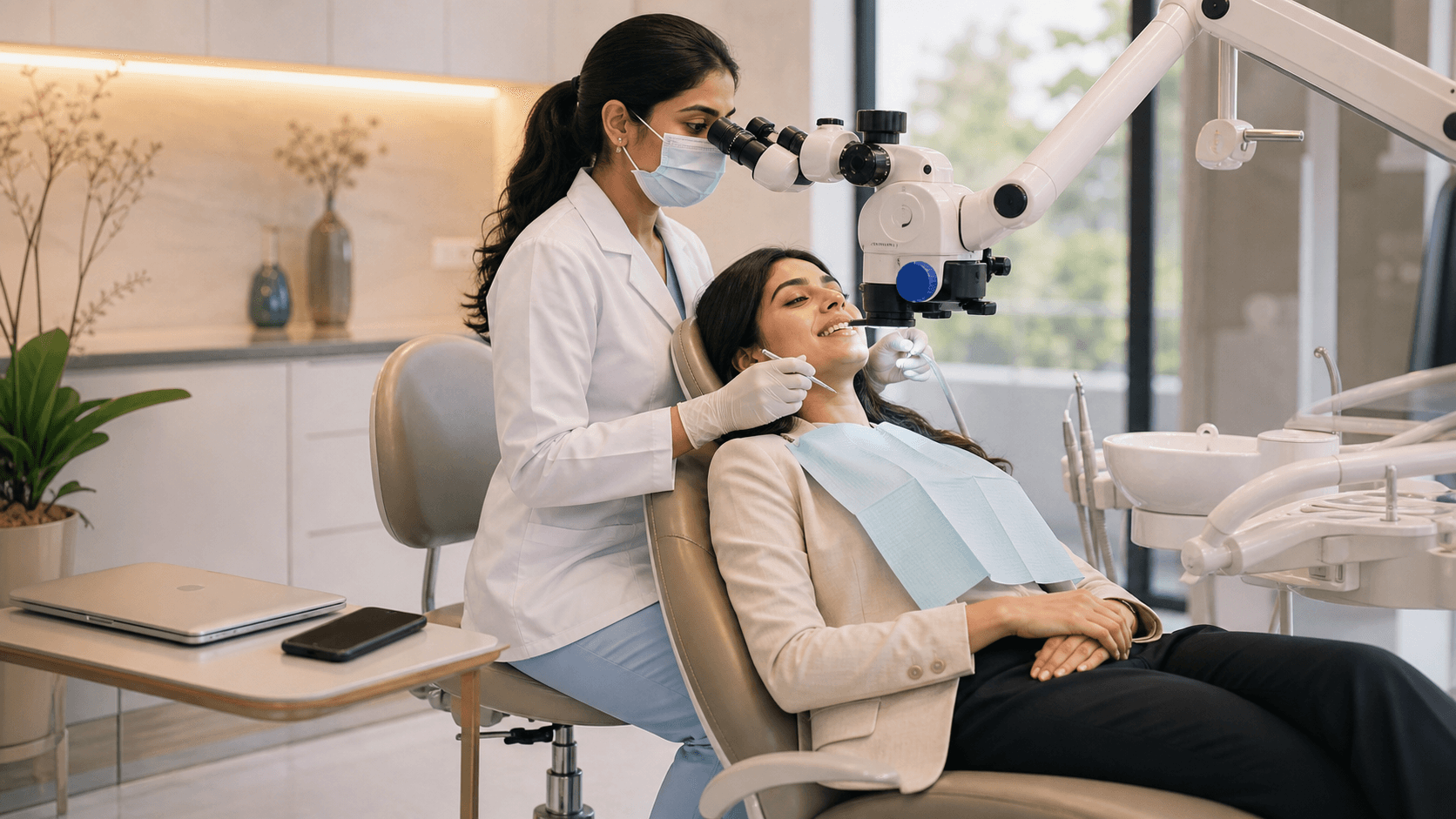
At Ridgetop Dental International, our MDS specialists look beyond the surface. A typical cosmetic evaluation for minor chips, gaps, or rough edges can include:
- Clinical photos from different angles
- Digital X-rays if needed
- A bite analysis to see how your teeth meet and slide
- Gum health checks and cleaning needs
- Careful shade mapping of your existing teeth
We take time to listen to what you want from your smile, any sensitivity issues, and how quickly you hope to see changes. When helpful, we share similar before-and-after cases and may use mock-ups or trial smiles so you can see a preview of possible results before you commit.
Comfort and safety remain a priority during any veneer or bonding procedure. We work with gentle anesthesia when required, and after treatment, we fine-tune the bite so no tooth carries too much pressure. That helps protect your new veneers or bonding from early chipping.
Ongoing support is just as important as the first visit. We guide you on home care, brushing tools, and what to avoid biting directly on. For people who grind at night, we can plan protective night guards. Regular professional cleanings and review visits help keep your smile investment looking smooth, bright, and natural for years.
Transform Your Smile With Custom Veneers That Look Naturally You
If you are ready to upgrade your smile with a solution that looks and feels like your natural teeth, our team at Ridgetop Dental International is here to help. Learn how dental veneers in Bangalore can address discoloration, chips, gaps, and minor misalignment in just a few visits. We will walk you through every step, from consultation to final placement, so you know exactly what to expect. Have questions or want to book an appointment now? Simply contact us to get started.